Insect Nets in Kenya are designed from UV treated Polyethylene fabric for crop protection against pests. Quality insect nets can be purchased from Aqua Hub LTD, a popular dealer based in Nairobi. We Stock insect nets rolls available in sizes of 2.5 by 50m, 3 by 50 m and 5.5 by 50 m. If you need to a net to keep pests away from your farm, reach out to us.
Call 079071920
Quick Takeaways
- Insect nets are organic pest control solutions.
- Use of insect nets reduces pesticide use.
- Cost ranges from KES 80 – KES 160 per m²
- Best mesh size is 40–50 mesh for most crops
- Proper installation should be done to ensure efficiency.
- Nets last 5–7 years with UV treatment
Why Insect Netting Is Essential for your Crops
Pests such as aphids, whiteflies, locusts and fruit flies are a major threat to crop production in agriculture. With the rising urge to reduce pesticide use to combat climate change and conserve the environment, insect nets are becoming a popular pest control solution.
The nets have very tiny openings that do not allow even tiny flies to enter. It forms a barrier which blocks the pests while allowing light, air and water for crop growth.
Insect Nets in Kenya
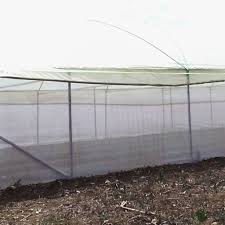
Insect nets are fine mesh fabrics that protect crops from pests without chemicals. They are typically made from UV-treated materials and installed over crops or greenhouse openings. Their main role is to create a physical barrier that prevents insects like aphids, thrips, and whiteflies from reaching plants.
Insect nets allow up to 95% sunlight and good airflow while blocking harmful pests.
Types of Insect Nets in Kenya
- Fine mesh (40–50 mesh): Blocks small pests like whiteflies
- Coarse mesh (20–30 mesh): Suitable for larger insects
- Expandable geo nets: Flexible for different structures
- Rigid pro nets: Strong and durable
Different insect nets are designed based on mesh size and application. The most common are 40-mesh and 50-mesh nets, which balance airflow and pest protection.
Specifications of Insect Nets in Kenya
- Material: High-density polyethylene (HDPE) fabric.
- Mesh size: 0.4mm to 0.9mm pores
- UV treatment: Extends lifespan to 5–7 years
- Light transmission: Up to 95%
- Widths: 2.5m to 5.5m
Our insect nets are designed from UV treated Polyethylene fabric thus more durable.
Cost of Insect Nets in Kenya
Insect nets cost between KES 80 – KES 160 per square meter.
Benefits of Insect Nets
- Reduced pesticide use – insect nets are one of the organic pest control methods. Reduces the need for pesticides.
- Improves crop quality and yield – with insect netting, pest activity is reduces thus quality fruit and vegetable yield.
- Eco-friendly pest control – insect nets have no effect on the environment.
- Lower labour costs – insect nets cut the labour needs for spraying insecticides.
- Highly efficient – allows sunlight and air into the growing environment thus reliable.
Applications of Insect Nets in Kenya
- Greenhouses: Used to cover ventilation spaces in greenhouse structures.
- Open fields: Insect nets can be used to protect crops on the open field. Steel or wooden poles are used to hold the net.
- Nurseries: for seedling propagation structures.
- Livestock areas: Fly control
- Black soldier fly propagation: used to design cages for black soldier fly rearing(BSF).
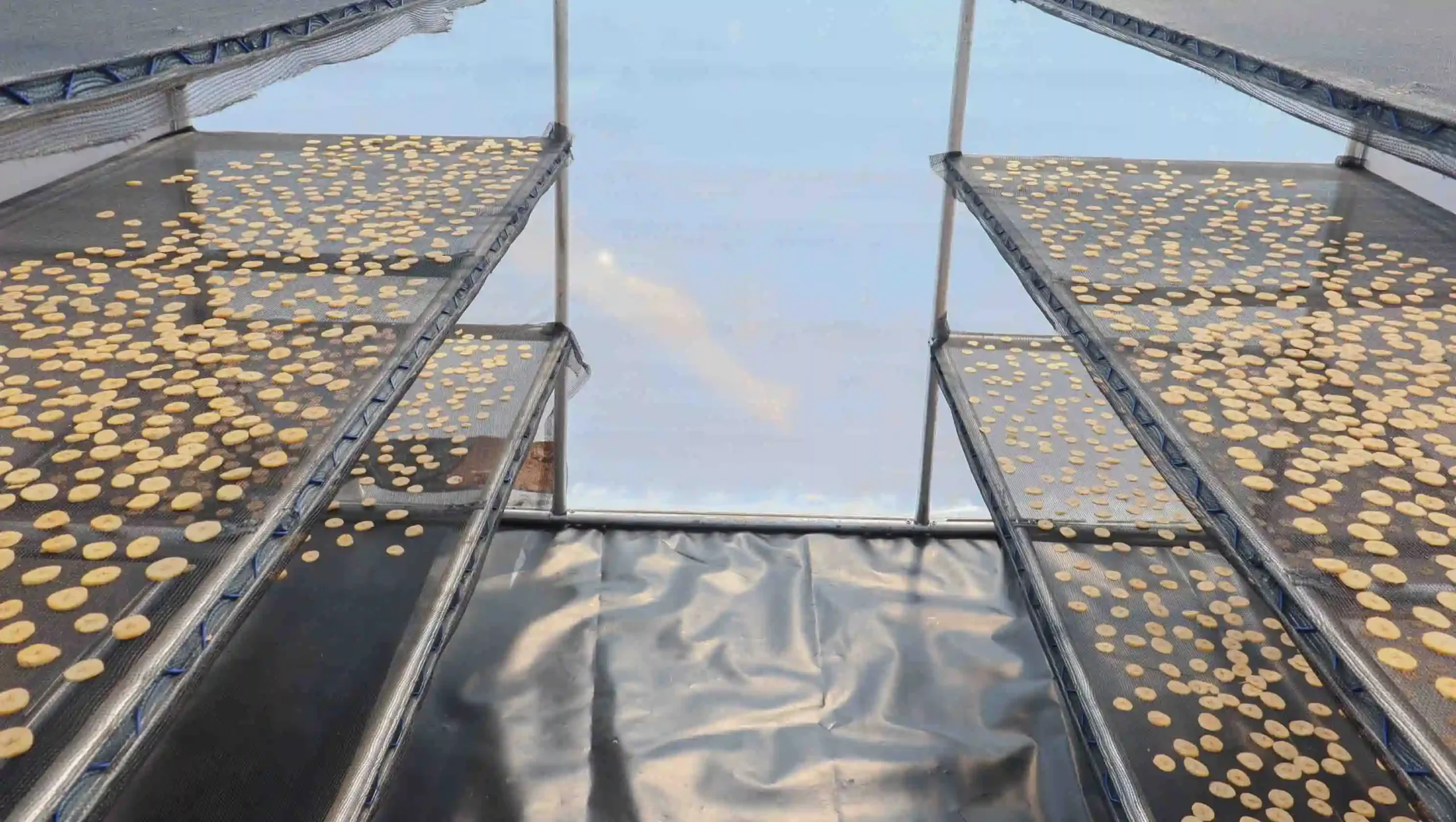
- Used in solar dryer shelves to hold drying produce.
How to Choose the Right Insect Net
Selecting the right net depends on your farming needs.
- Crop type: Tomatoes and other vegetables that attract tiny pests need very smaller insect net mesh.
- Climate: Ensure proper ventilation
- Farm size: determines the dimension of the insect net roll you need.
- UV treatment: consider whether the net is designed with materials containing UV additives to ensure it is long lasting.
- Cost or budget: your pocket budget also determines the net you will afford to buy.
Techniques of Using Insect Nets
Insect nets can be used to protect crops in different ways depending on farm size.
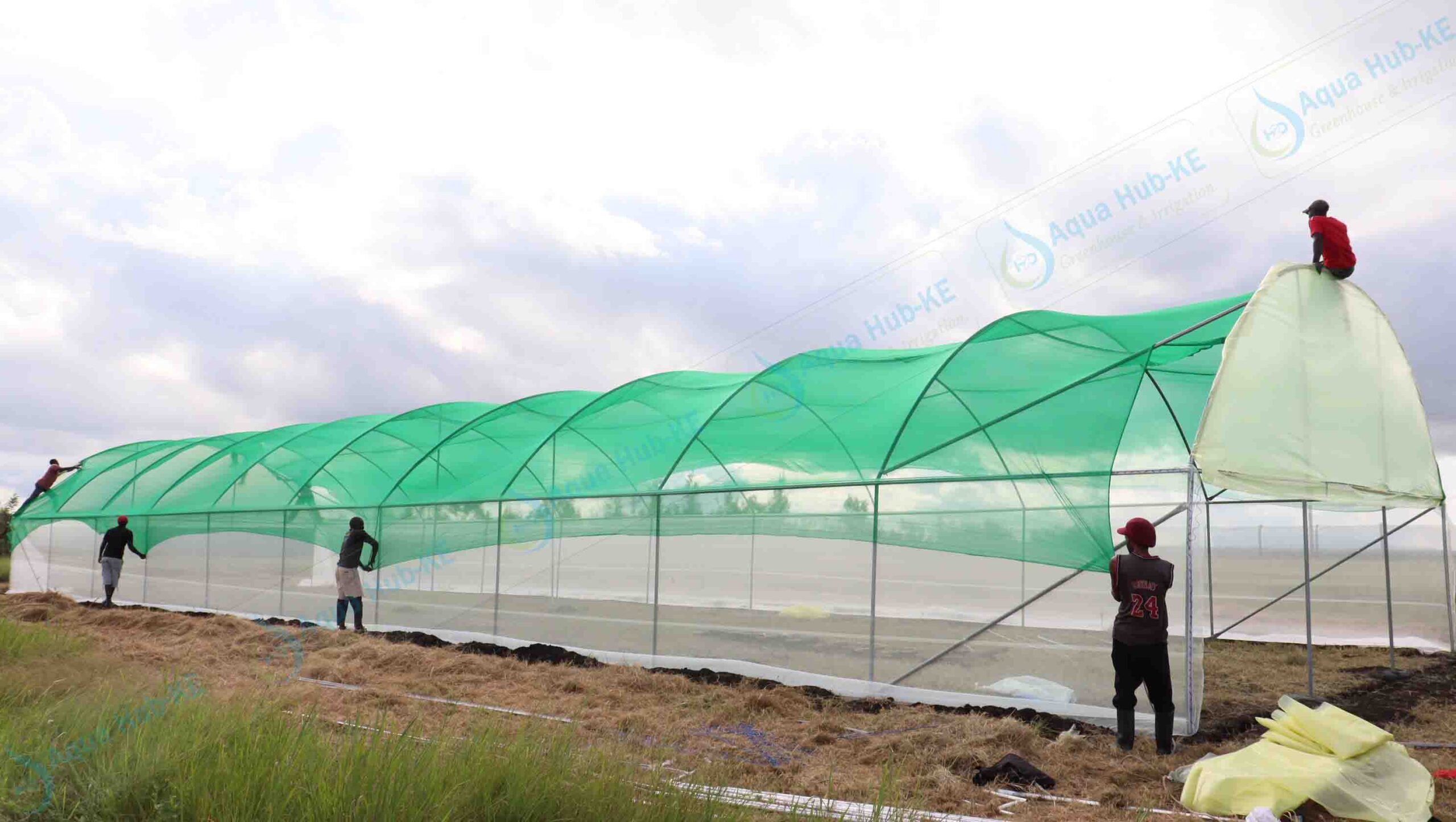
- Net houses: protection of crops on the open field. Attached using erected metal poles or wooden poles.
- Low tunnels: For vegetables
- Side netting: greenhouse growing environments.
How to Install Insect Nets
- Build a support structure
- Fix nets tightly to frames
- Seal all openings
- Ensure proper ventilation
Maintenance of Insect Nets
- Clean regularly
- Repair tears immediately
- Store properly when not in use
Economic Benefits of Insect Nets
Insect nets have much benefits to farmers because they enhance:
- Cost savings on pesticide expenses
- Higher yields
- Better crop quality
Frequently Asked Questions
1. What is the best mesh size for insect nets?
40–50 mesh is ideal for most vegetable crops.
2. How much do insect nets cost in Kenya?
Between KES 85 – KES 160 per square meter.
3. How long do insect nets last?
UV treated nets last for 5–7 years.
4. Can insect nets replace pesticides?
Yes, they significantly reduce or eliminate pesticide use.
5. Are insect nets suitable for open fields?
Yes, especially as row covers or tunnels.
6. Do insect nets affect pollination?
Yes, so open them during flowering.
7. How do you install insect nets?
Fix them tightly on frames and seal all openings.
8. Which crops require Insect Nets?
Tomatoes, capsicum, and leafy vegetables.
9. Are insect nets profitable?
Yes, ROI is usually within 1–2 seasons.
10. Where can I buy insect nets in Kenya?
Aqua Hub LTD is Known for top quality insect nets.